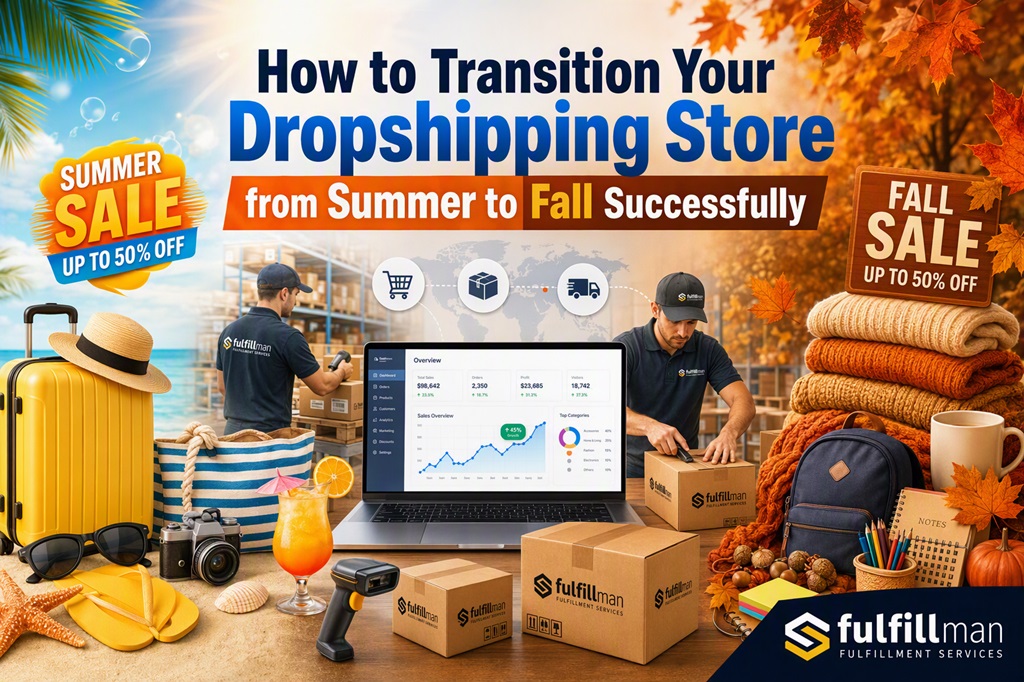
The move from summer to fall is one of the most important periods for any dropshipping business. Customer needs begin to change, shopping habits shift, and products that sold well a few weeks ago may no longer attract the same attention. Store owners who recognize these changes early often gain an advantage over competitors who continue using the same summer strategy.
A successful transition is not about completely changing your business overnight. It is about making smart adjustments that reflect what customers are looking for now. From updating your product selection to refreshing your marketing messages, every small improvement helps. These ten tips will help you transition your dropshipping store from summer to fall smoothly and keep sales moving in the right direction.
1. Review Your Summer Sales Data
The best place to start is by looking at your summer performance. Review which products sold well, which products struggled, and which categories generated the most revenue. This information gives you valuable insight into customer preferences.
Many dropshippers skip this step and rush into fall planning without understanding what happened during summer. Your sales data can reveal opportunities that would otherwise be missed. It can also help you avoid investing in products that did not perform well. The more you learn from summer, the better prepared you will be for autumn.
2. Gradually Introduce Fall Products
Avoid removing all of your summer products at once. A gradual transition often works better because some customers are still shopping for summer related items, especially in warmer regions. Instead, begin introducing fall products alongside your existing inventory.
This approach allows customers to see new options while still finding items they may currently need. Over time, you can increase the visibility of your fall collection and reduce the focus on seasonal summer items. A balanced approach helps create a smoother shopping experience and reduces the risk of losing sales.
3. Update Your Store Design for the Season
Your website should reflect the current season. Customers notice visual changes, and seasonal updates help create a fresh shopping experience. Consider using autumn inspired colors, images, and banners across your homepage and promotional materials.
Small design changes can make your store feel more current and engaging. Customers are more likely to browse when a website feels active and updated. Refreshing your design also signals that your products are aligned with the season and customer needs.
4. Create Seasonal Product Collections
Product collections make shopping easier for customers. Instead of asking visitors to browse your entire catalog, organize products into fall themed categories. This could include collections for home organization, study essentials, fall fashion, or seasonal accessories.
Collections help customers discover relevant products quickly. They also encourage shoppers to explore additional items they may not have considered. A well-organized store improves user experience and often increases average order value.
5. Refresh Your Marketing Messages
The language you use in your marketing should change with the season. Summer messaging often focuses on vacations, outdoor fun, and travel. Fall messaging should focus more on preparation, comfort, productivity, and routines.
Customers connect more strongly with messages that match their current situation. Update your website banners, email campaigns, social media posts, and product descriptions to reflect the transition. Consistent seasonal messaging strengthens your brand and improves customer engagement.
6. Plan Promotions Around Seasonal Shopping Trends
Fall brings new shopping opportunities. Back to school shopping, home organization, productivity tools, and colder weather products become more popular. Look for ways to connect promotions to these seasonal trends.
Instead of running generic discounts, build campaigns around specific customer needs. A promotion that solves a seasonal problem often performs better than a simple percentage discount. Thoughtful promotions help your dropshipping business stay relevant and encourage more purchases.
7. Focus on Inventory Management
One common mistake during seasonal transitions is holding too much outdated inventory. Evaluate your product lineup and identify items that may become harder to sell as the season changes. Create strategies to clear these products before demand drops further.
At the same time, make sure you are prepared for growing demand in fall categories. Inventory planning helps prevent stock shortages and reduces excess products that take up resources. Effective inventory management creates a smoother transition and supports long term growth.
8. Strengthen Customer Communication
Customers appreciate businesses that keep them informed. Let your audience know about new arrivals, seasonal collections, and upcoming promotions. Use email marketing, social media, and website announcements to communicate changes.
Clear communication builds excitement and keeps customers engaged with your brand. It also provides opportunities to highlight products that fit seasonal needs. Maintaining regular communication can increase repeat visits and encourage additional purchases.
9. Prepare for the Holiday Season Early
Fall is the perfect time to begin preparing for the holiday shopping rush. While many businesses wait until later in the year, successful dropshippers often plan ahead. Review supplier timelines, fulfillment capacity, and product sourcing needs.
Early preparation reduces stress and gives you more flexibility when demand increases. It also allows you to identify potential challenges before they affect customers. Planning now can make a significant difference when holiday shopping begins.
10. Monitor Performance and Adapt Quickly
Customer behavior can change quickly during seasonal transitions. Monitor sales, website traffic, email performance, and customer feedback throughout the fall season. Look for signs of changing demand and adjust your strategy when necessary.
Successful dropshipping businesses remain flexible. They pay attention to data and make decisions based on real customer behavior rather than assumptions. Regular monitoring helps you identify new opportunities and respond to challenges before they become larger problems.
Conclusion
Transitioning your dropshipping store from summer to fall successfully requires planning, flexibility, and attention to customer needs. By reviewing your summer results, introducing seasonal products, refreshing your marketing, and preparing for upcoming demand, you can create a smooth transition that keeps sales moving forward. Small improvements made now can help your dropshipping business stay competitive, improve customer satisfaction, and build momentum for the months ahead. Contact us today to know more about our dropshipping and global fulfillment services.
Call Fulfillman Today!
Contact us today at Fulfillman to know more about the services. We are experts in Global Fulfillment, China Sourcing, Dropshipping, Third Party Logistics, and many more. Our dedicated team will be available to speak with you and discuss your possible dropshipping options. Our experts will provide suitable answers to your questions and concerns. We guarantee you excellent services.